Digital eye strain — the tired, dry, achy-eyed feeling after long screen sessions — is a real, common, and temporary condition rather than a cause of permanent damage, according to clinical patient information from institutions including the Mayo Clinic and the American Optometric Association's public materials, and the recommendations with clinical backing are unglamorous: rest breaks on the 20-20-20 pattern (every 20 minutes, look at something 20 feet away for 20 seconds), conscious blinking and artificial tears for dryness, screens at arm's length with tops at or slightly below eye level, glare-managed lighting, and a current glasses prescription — because screens don't damage eyes, but uncorrected vision problems make every symptom worse.
Persistent symptoms, pain, or vision changes warrant an eye-care professional, not a settings menu — the clinical sources below say so first.
What is digital eye strain, clinically?
A collection of symptoms — dryness, blurred vision, headache, neck and shoulder discomfort — associated with prolonged screen use, described in the clinical literature under names like computer vision syndrome and digital eye strain. The documented causes are mechanical and behavioral: reduced blink rate during concentration (studies have measured blink rate falling substantially during screen work, drying the eye's surface), sustained near-focus fatigue of the eye's focusing muscles, glare and poor contrast, awkward posture, and — the underdiagnosed multiplier — uncorrected or partially corrected refractive errors. What it is not, per the same clinical sources: evidence that screens cause lasting structural damage to adult eyes. Blue light's role in strain specifically is thinner than the retail market implies; the American Academy of Ophthalmology's public guidance has stated that screens' blue light doesn't damage eyes and that special glasses lack evidence for strain prevention — the market for blue-light spectacles outgrew the science.
Which interventions have clinical support?
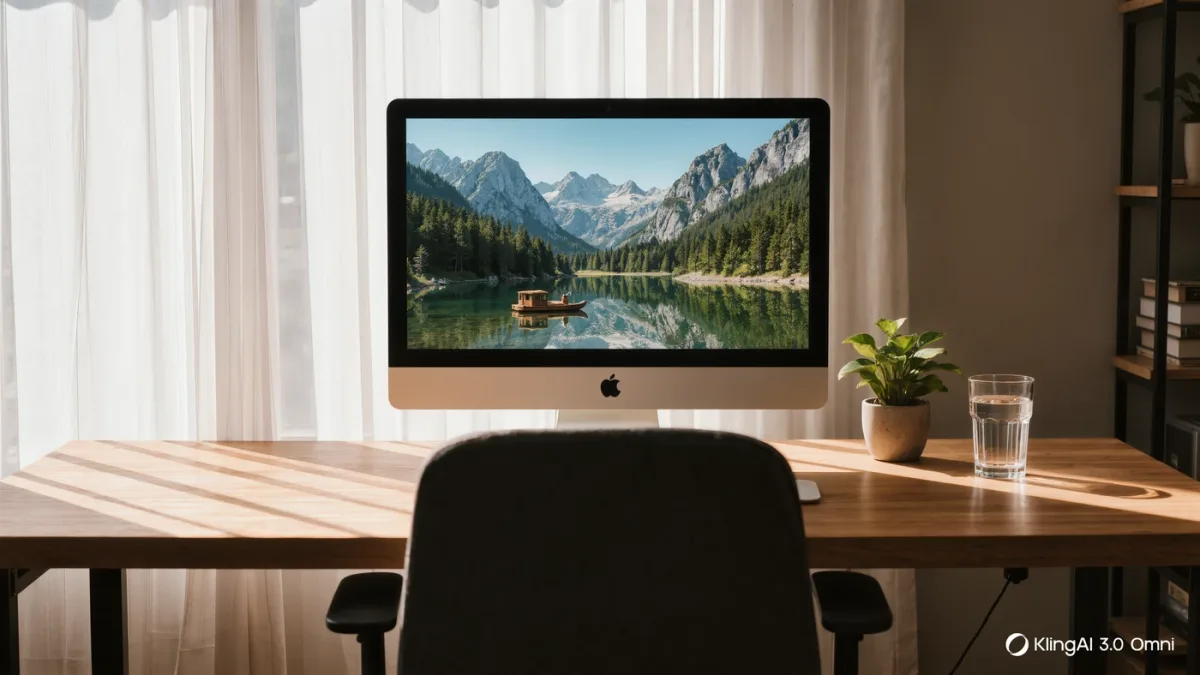
The boring tier, endorsed across the clinical sources. Breaks: the 20-20-20 rule is the standard recommendation — brief, regular relaxation of near focus; the evidence frame is comfortable: focusing fatigue is real, rest relieves it. Blinking and tears: deliberate full blinks, and artificial tears for dryness — directly treating the measured mechanism. Ergonomics: screen about an arm's length away, top edge at or slightly below eye level — positioning that the optometric guidance ties to both eye comfort and the neck-shoulder component. Lighting: reduce glare from windows and lamps with repositioning or matte screens; match ambient light roughly to the screen. And the exam: a comprehensive eye exam that yields an up-to-date prescription, including the workplace-specific question of whether a modest correction for screen distance differs from your general one — the clinical sources identify uncorrected vision as a top driver of persistent strain.
| Symptom | Documented driver | First fix |
|---|---|---|
| Dry, scratchy eyes | Reduced blink rate | Full blinks; artificial tears |
| Blurred distance after work | Sustained near-focus | 20-20-20 breaks |
| Headache with screen hours | Glare, contrast, prescription | Lighting audit; eye exam |
| Neck and shoulder ache | Screen position, posture | Arm's length, top at eye level |
What about dark mode, blue-light filters, and glasses?
The honest sorting. Dark mode: a comfort preference with plausibility but thin strain evidence — some users report comfort gains, particularly at night, and comfort is a legitimate goal; no clinical source lists it as treatment. Blue-light software filters: same category — they change the screen's character, not the strain mechanics; their better-supported role is the sleep-adjacent one covered earlier in this series, and even there, modesty is warranted. Blue-blocking glasses: the AAO's public guidance finds no evidence they prevent eye strain — the product category with the largest gap between marketing and evidence in this entire space. The pattern to notice: everything sold for strain underperforms the free interventions — breaks, blinks, positioning, prescription — that the clinical sources actually recommend.
Does AI work make it worse?
Indirectly and behaviorally, plausibly yes — though the honest caveat is that no study examines AI-tool use specifically. The mechanisms this series keeps documenting all reduce natural eye breaks: flow-state sessions with an assistant compress time (fewer spontaneous pauses), ambient tabs invite longer continuous near-focus, and evening sessions extend total screen hours into the lighting conditions where strain and sleep interference overlap. The transferable practice is the break itself: 20-20-20 slots naturally onto the batching structure — a break between drafting blocks, during AI generation waits (the loading pause is a sanctioned eye break, arguably the first in screen history that arrives built-in), and at the session boundaries the wellbeing pieces in this series prescribe for other reasons. One habit, several dividends.
When is it not just strain?
The clinical sources draw the line clearly: eye pain, persistent redness, progressive blur, double vision, light sensitivity, or symptoms that don't resolve with rest and breaks belong with an eye-care professional promptly — those are not strain signatures. And anyone whose strain is persistent despite good habits has the exam-mandated answer: the documented likeliest culprit is a prescription that no longer matches the work. Eyes tolerate imperfect corrections at 25; they bill for it at 45, in strain, at screen distance, eight hours a day.
FAQ
- Do screens damage your eyes? Per clinical sources including the AAO, screens cause temporary strain but not permanent structural damage in adults — the persistent-villain theory isn't supported; the symptom relief is real work.
- Do blue-light glasses help eye strain? The AAO's guidance finds no evidence they prevent strain; save the money and use breaks, blinks, positioning, and an up-to-date prescription.
- What's the fastest fix for daily strain? 20-20-20 breaks plus deliberate full blinks, screens at arm's length with tops at eye level — free, immediate, and the clinically recommended core.