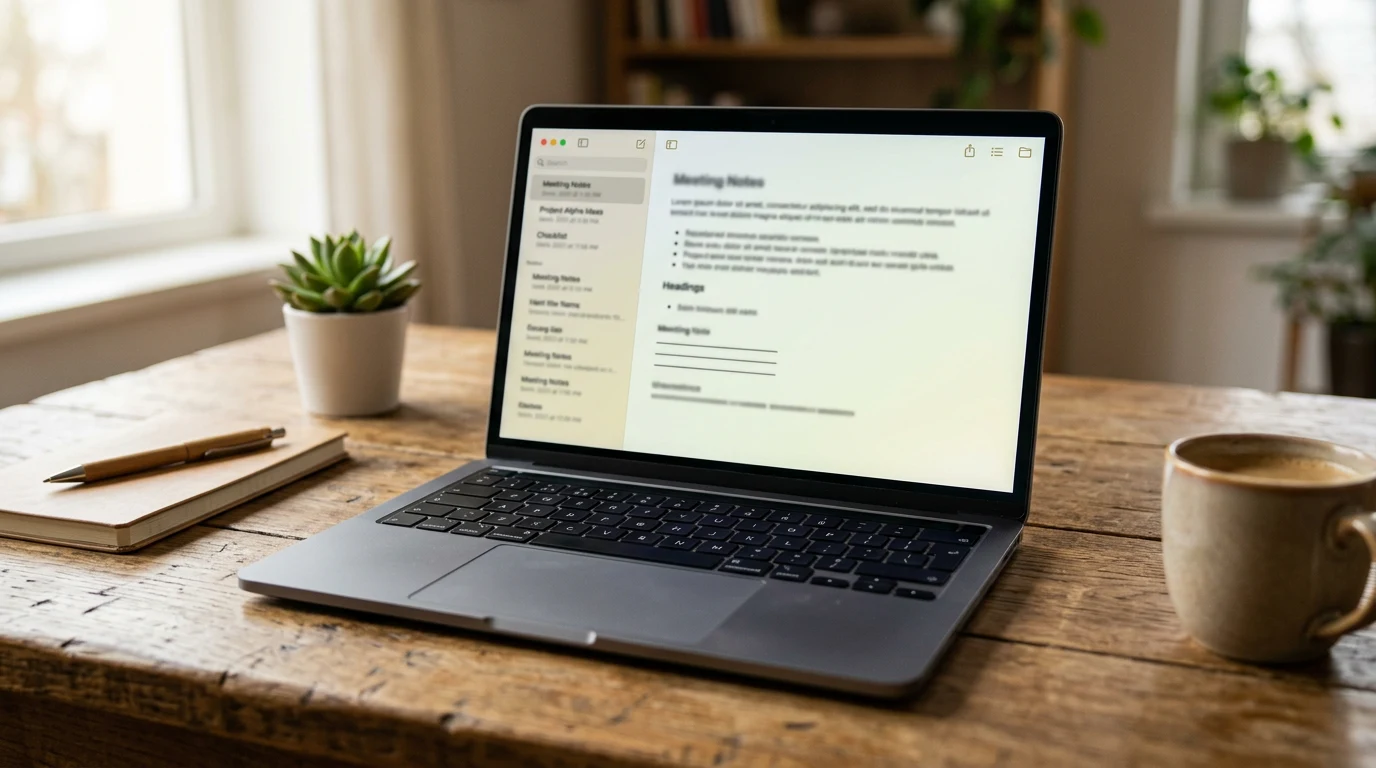
Apple Mail and Notes: Which AI features actually ship, and what they cost
Brandi Reed · Sep 14, 2026Most of Apple's AI in Mail and Notes is already on your device. The catch is hardware, not a subscription.
Most of Apple's AI in Mail and Notes is already on your device. The catch is hardware, not a subscription.

The demo went well. The contract is where the deal …

A 2027 prototype target and a public snub of Palantir's …

Named studies back a short list of boundary practices — …

Per OpenAI's own pricing page, the free tier covers casual …

Vendor documentation says the window holds your prompt, the model's …
Ollama made local AI a one-line install — the honest …
Each vendor now ships a memory feature that carries context between chats. Here's what each one stores, what it doesn't, and how to turn it off, according to OpenAI, Anthropic, and Google's help pages as of August 2026.
"Trust but verify" is a slogan; a workflow is tiers — which claims need checking, against what source, at which moment — and the design spends your skepticism where mistakes actually cost.
The AI notetaker just hit a $1.5 billion valuation. Here's what the free, Business, and Enterprise tiers include, and what its privacy policy says happens to your recordings.
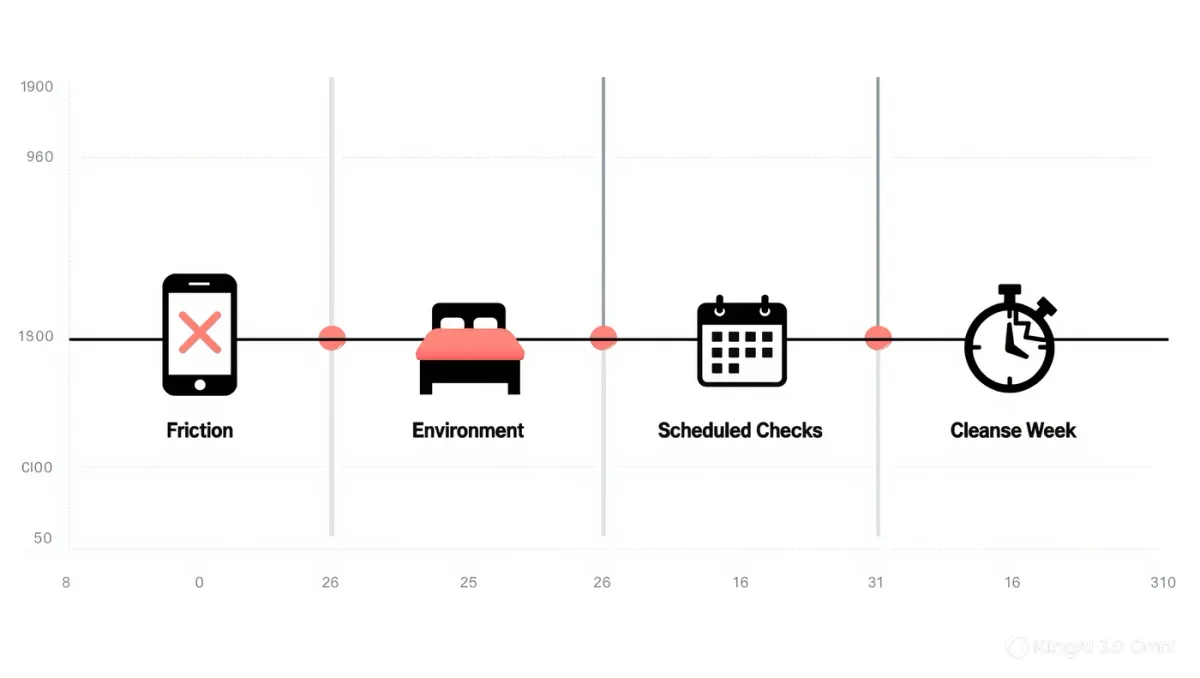
The browser became an AI surface — summaries, page Q&A, tab help, agentic browsing — and the settings that matter concern what the assistant reads and when it acts.
The published field figure is 25 minutes and 26 seconds, not the 23 minutes the internet repeats — and scheduled AI notifications are a new source of the same problem.

Delegation is the point of these tools — but unexamined offloading quietly atrophies the skills you'll need when the tool is wrong, absent, or inappropriate, and a simple quarterly audit keeps the trade deliberate.

Digital eye strain is real, common, and temporary — and the evidence-backed fixes are boring: the 20-20-20 rule, blink-awareness, proper distance and lighting, and an up-to-date prescription.

OpenAI's August 2025 launch replaced model-picking with automatic routing and rationed its deepest reasoning; here's the overlooked part.
A voluntary rulebook now sits behind the EU AI Act's toughest deadlines for OpenAI, Google, Anthropic and the rest. Here's what it actually asks of them, and who's still holding out.
The frontier gets the headlines while the small models quietly take the work — economics, latency, and on-device privacy explain the shift, and vendors' own routing announcements document it.

A new Stanford payroll-data study, NPR's reporting on it, and Gallup's engagement numbers each answer a different piece of the question — and none of them agree on the whole picture.

Most compromises run through known, already-patched vulnerabilities — the documented pattern behind security agencies' endless patching advice — and the habit that closes it is small, automatic, and boring.

Travel device security is about physical proximity, unfamiliar networks, and border crossings — three threats home hygiene doesn't face, with documented countermeasures for each.