
Workflow
Workflowy and the art of the infinite outline
Rekha PatelOne document, endless bullets, and a zoom that turns a wall of notes into exactly the page you need.
Automation chains built and stress-tested end to end.
One document, endless bullets, and a zoom that turns a wall of notes into exactly the page you need.

The word started on factory floors a century ago. Getting its meaning right is still the cheapest fix for most operational messes.

Start with the tasks you do every week, automate one at a time, and build the maintenance habit before the failure finds you.
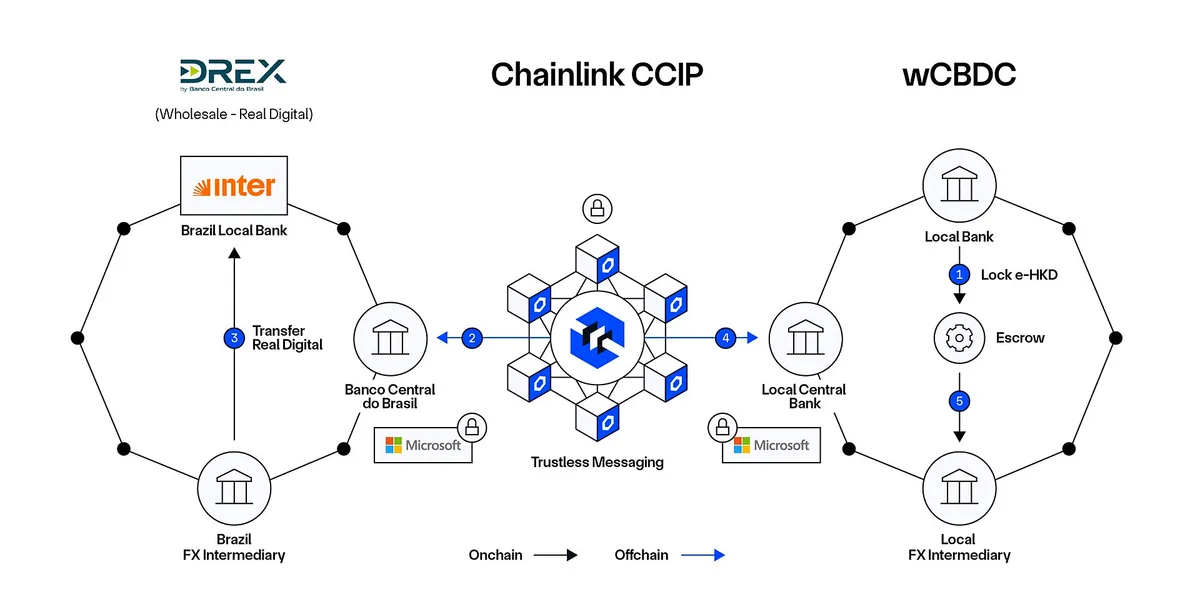
Symbols, swimlanes and the discipline of cutting steps out — a field guide to diagrams that clarify instead of confuse.
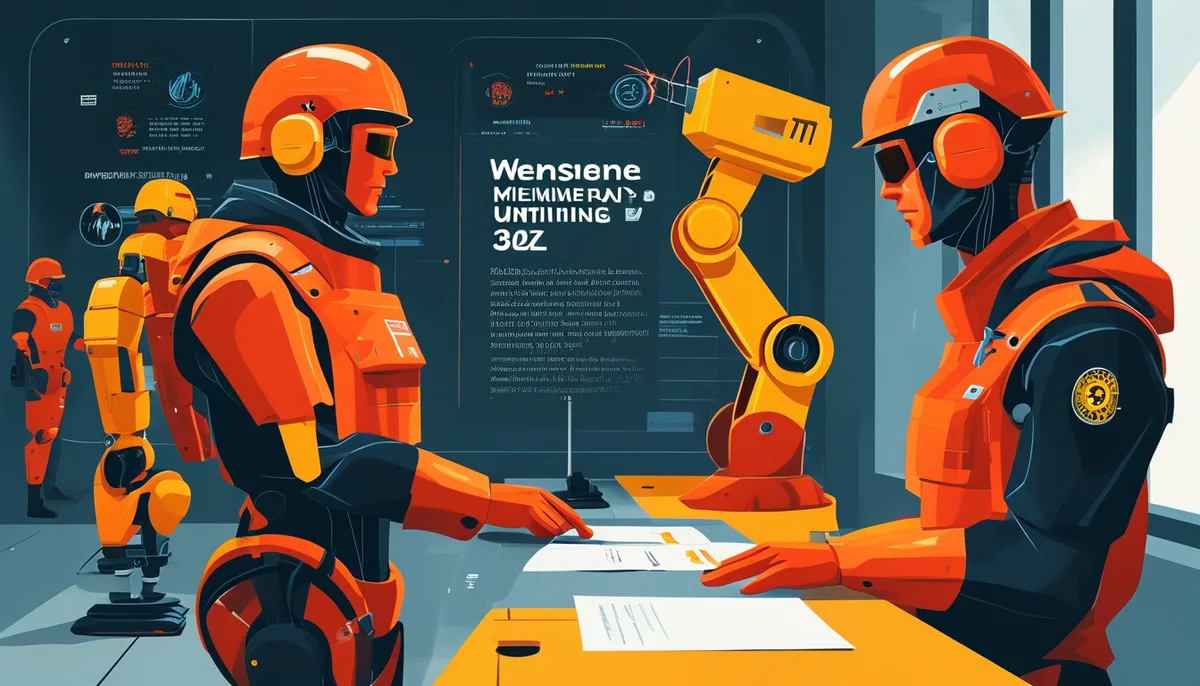
A 2027 prototype target and a public snub of Palantir's Maven show how evaluation timelines, not model quality, decide who gets to build battlefield software.

Each vendor now ships a memory feature that carries context between chats. Here's what each one stores, what it doesn't, and how to turn it off, according to OpenAI, Anthropic, and Google's help pages as of August 2026.