Tools reviews individual AI products: writing assistants, transcription services, coding helpers, image generators, meeting summarizers and document search. Every test uses a fixed task, repeated runs and recorded timings, with model versions noted. Written for people paying monthly who want evidence before renewing.
Assistants, transcribers, image and coding tools run on repeatable tasks with time and error.
Subscriptions, credits, and per-image APIs — three pricing models cover every major generator, and the right one depends on volume, not on which model paints prettier.
The same underlying technology now ships free in phones, word processors, and meeting apps — the real comparison is accuracy trade-offs, where your audio goes, and how much control you need over the…
Free for trying, Pro for daily use, Max for volume — and separately Opus, Sonnet, and Haiku for API work. The two ladders answer different questions, and mixing them up is how people overpay.
Google's notebook tool answers questions strictly from documents you upload — a design that tames hallucination better than a chatbot — but its source limits and citation quirks deserve a guide of…
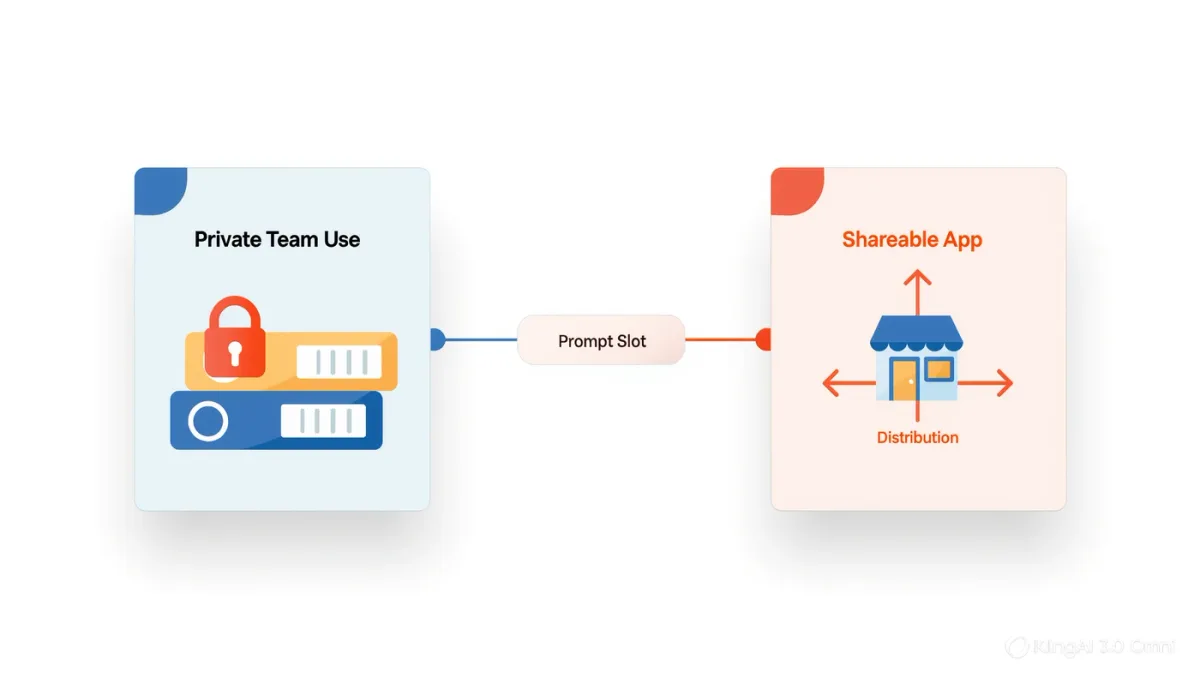
Both products put your instructions and documents behind one reusable button — but they differ in what they remember, who they share with, and what happens to files you upload, per each vendor's own…
An AI answer engine and a search engine solve different problems — here is how to split your research time between them, based on what each product documents about itself.