
Tools
Is ChatGPT's free plan enough for your actual workday?
Marta KowalczykPer OpenAI's own pricing page, the free tier covers casual daily use — the $20 Plus plan earns its keep only if you hit usage limits weekly.
Tools reviews individual AI products: writing assistants, transcription services, coding helpers, image generators, meeting summarizers and document search. Every test uses a fixed task, repeated runs and recorded timings, with model versions noted. Written for people paying monthly who want evidence before renewing.
Assistants, transcribers, image and coding tools run on repeatable tasks with time and error.
Per OpenAI's own pricing page, the free tier covers casual daily use — the $20 Plus plan earns its keep only if you hit usage limits weekly.

Vendor documentation says the window holds your prompt, the model's reply and everything before it — and one named study says the middle of it is where things get dropped.
Ollama made local AI a one-line install — the honest guide is about hardware tiers, model sizes, and which everyday tasks a laptop-class model does well, and which still need the cloud.

Both platforms wire AI steps into no-code automations — Zapier wins on connector breadth and simplicity, Make on visual complexity and pricing at volume, per their own documentation, and the real…
Both Google and Microsoft now ship AI features that write spreadsheet formulas from plain-language descriptions — the reliable path is small formulas, tested against known answers, never bulk-applied…
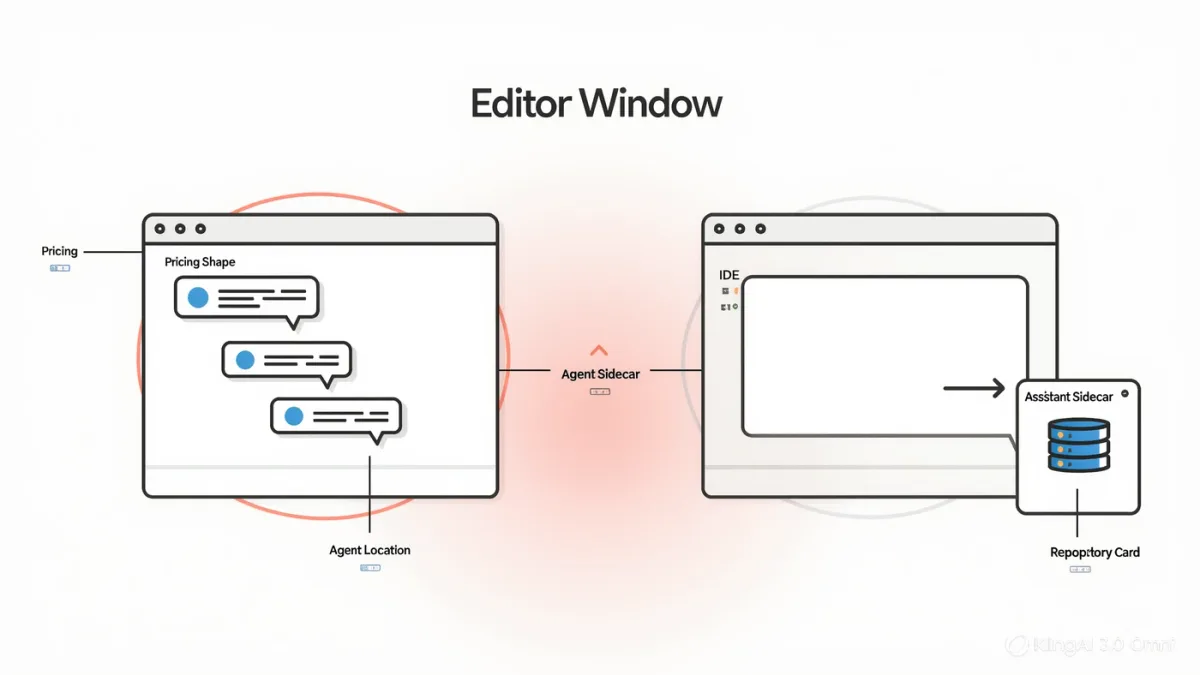
An AI-first editor versus an assistant embedded in the tools you already use — the documented difference is product shape, not model quality, and it maps cleanly onto two kinds of developer.