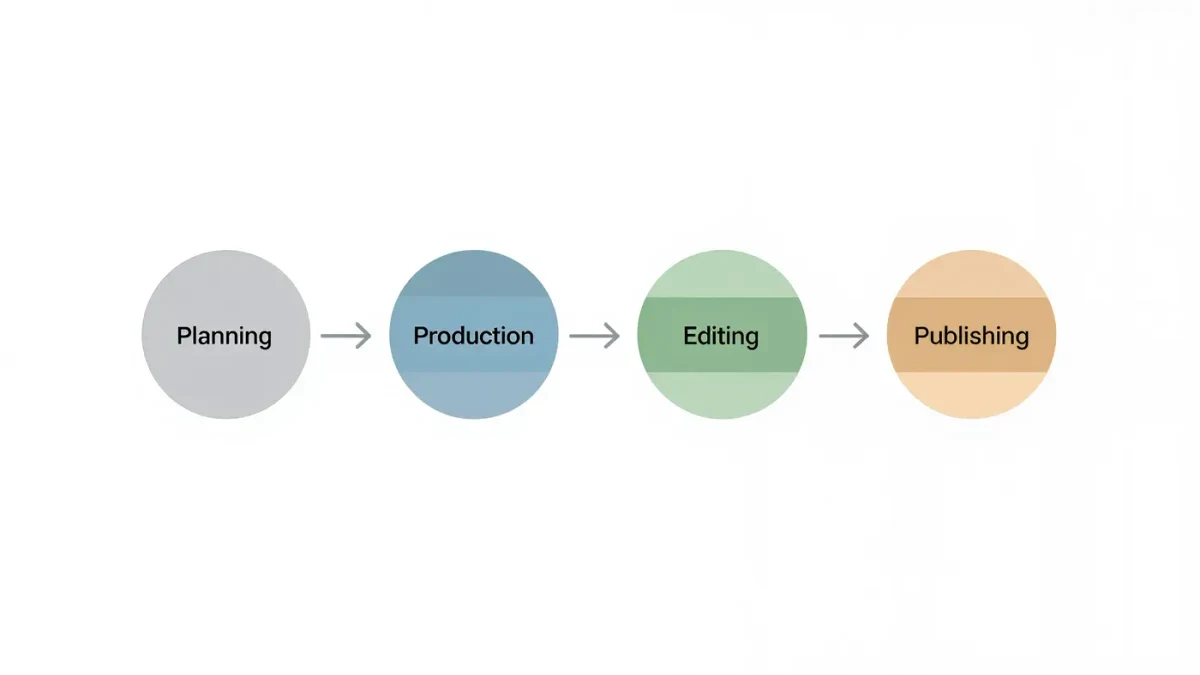
A working verification workflow for AI outputs has three moves: classify every claim in the output by consequence — load-bearing (a fact someone will act on, cite, or pay against) versus furniture (phrasing, structure, obvious context) — verify the load-bearing tier against a source independent of the model, and mark the output with its verification status before it moves anywhere. The economics are the point: verifying everything doubles the work and saves no one, verifying nothing is how fabricated citations reach federal court, and the tiering rule spends attention exactly where the failure would hurt. Models are drafting partners now; this is the QA step that partnership requires.
RechargeMe publishes information, not advice. The workflow uses documented failure modes of language models — hallucination chief among them, per vendors' own model documentation — and standard editorial practice.
What counts as load-bearing?
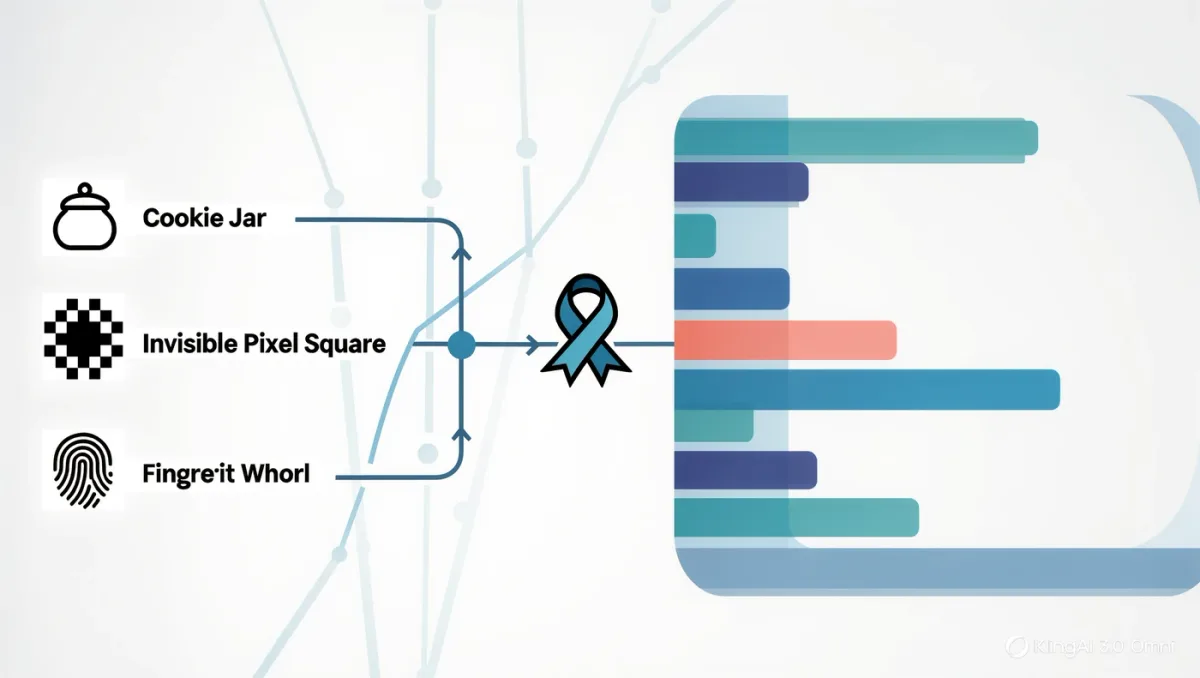
Four documented categories, in rising order of consequence. Numbers of every kind — statistics, prices, dates, quantities — because digits get copied forward into spreadsheets and contracts with the fluency intact. Citations and sources — references, URLs, quotes attributed to people or publications — the model-card literature's most infamous failure class, fabricated with perfect formatting. Factual assertions about the specific rather than the general — this company, that regulation, last quarter's decision — where the plausible and the true live close together. And anything in a regulated or consequential domain — medical, legal, financial — where the standard is not your judgment but authoritative sources, full stop. Everything else — transitions, tone, structure, explanations of common concepts — is furniture: worth reading, rarely worth verifying.
How do you verify each class?
Numbers: re-derive or re-source — the original document, the calculation redone, the official figure looked up; a number that survives an independent source is information, and one that doesn't was hallucination in a font. Citations: open every link and locate every quote in the actual source — the click-test; a citation that doesn't resolve, or resolves to something that doesn't say what's claimed, is the documented failure caught one second before publication, which is the entire ROI of this workflow. Specific assertions: one authoritative source per claim — the company's page, the regulation's text, the primary report — accepting the mild cost that this is exactly the checking you'd do for a junior colleague's memo. Consequential domains: authoritative sources only, and a human who owns the decision — the model's role stays orientation and drafting, per the guidance every serious publication repeats, this one included.
| Claim class | Check | Cost | Skip it? |
|---|---|---|---|
| Numbers | Re-source or re-derive | Minutes | Never if acted on |
| Citations, quotes, URLs | Open and locate | Seconds each | Never |
| Specific factual claims | One authoritative source | Minutes | Only if trivially low-stakes |
| Regulated-domain content | Authoritative source + human owner | Whatever it takes | No exceptions |
When in the workflow does verification happen?
At the draft boundary, before anything ships — the same gate editing has always occupied. The practical insertion points: verify immediately before the output leaves your hands — into a document, a send, a commit — not batched for later, because unverified text behaves like confirmed text the moment anyone else sees it. Verify at the point of reuse — when a summary's claim gets cited in your own work, it re-earns its check, since each hop is where drift compounds. And verify on model change: the drift-detection habit from this series' prompt-versioning piece applies to outputs as well — a prompt that produced verified output last month gets its load-bearing tier re-checked when the model underneath updates, because the silent upgrade changed the odds.
How do you mark what's verified?
Make the status visible — the editorial practice that scales past one person. In documents: a convention as simple as a checkmark column or verified annotation on load-bearing claims, so the next reader knows what survived a source and what is still model-assertion. In notes and internal drafts: the [CHECK] / [VERIFIED] tags this series uses in its template conventions, applied at the claim level. In team settings: the convention stated once — what counts as verified, by what standard — so the mark means the same thing everywhere. The marking is not bureaucracy; it is the interface between your verification and everyone downstream's trust, and unmarked AI output is how one person's skipped check becomes an organization's confident error.
What about verifying reasoning rather than facts?
The subtier for analytical work: the model's logic, not its citations. The documented weaknesses — plausible chains with a broken middle link, confident leaps over missing premises — resist source-checking because the claim is the inference. The tools that work: ask the model to state its steps and stress each one yourself; run the adversarial pass — ask a fresh session to attack the argument, a documented use where the model's fluency works for you; and test conclusions against a case you already know the answer to, the calibration trick that catches systematic bias in a model's reasoning about your domain. Reasoning verification is slower than fact verification, which the tiering rule handles: it belongs on the analyses that inform decisions, not on every draft.
FAQ
- How much AI output should I verify? The load-bearing tier: numbers, citations, specific claims, and anything consequential — verified against independent sources; tone and structure can ride. Tiering is what makes verification affordable.
- What's the fastest high-value check? The click-test on citations — open every link and locate every quote. It takes seconds each and catches the most notorious AI failure before it ships.
- Does this apply to summaries of my own documents? Yes, cheaper: spot-check the load-bearing claims against the source document — grounded summaries drift and miscite too, just less often.