"Trust but verify" is a slogan; a workflow is tiers — which claims need checking, against what source, at which moment — and the design spends your skepticism where mistakes actually cost.
Speech recognition is now accurate enough to be your fastest way with long text — the professional version pairs it with an editing pass, a punctuation habit, and an honest map of where speech beats keys and loses.
Context switching is the tax; batching is the refund — collecting the week's writing tasks into one assistant session buys the focus research documents and costs you one checklist of inputs to prepare.
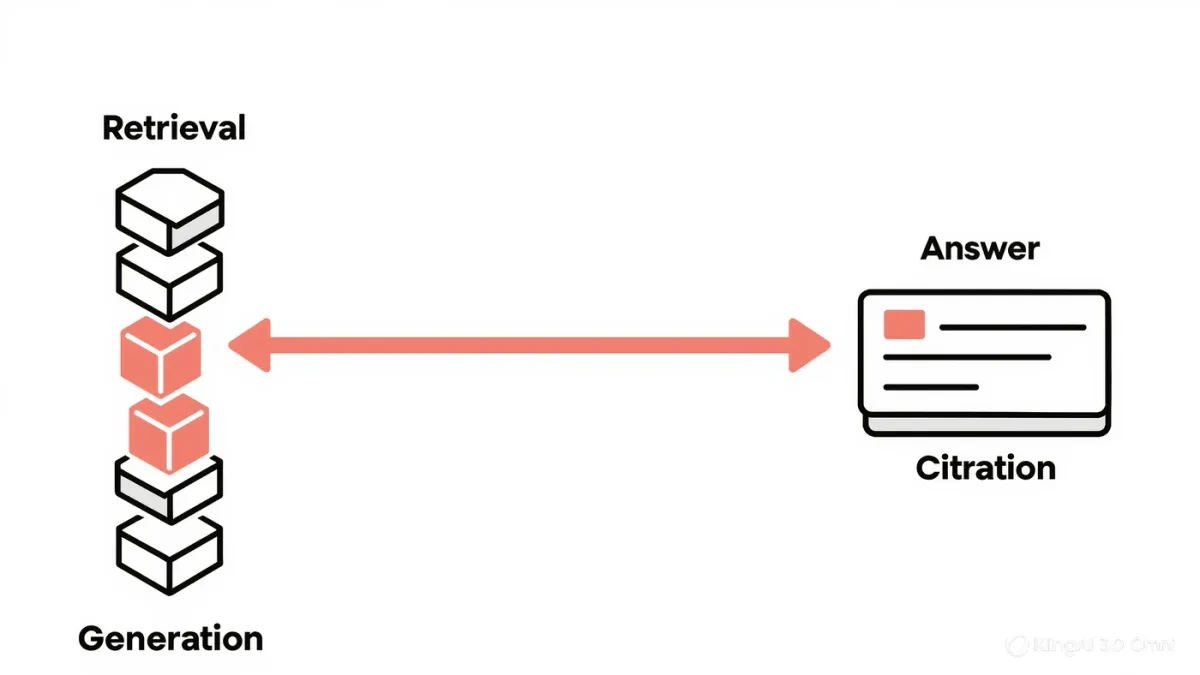
Retrieval-augmented generation — find the right passages, then have the model answer from them — is the documented engine inside every serious document Q&A tool, and understanding the two-step explains both the magic and the failures.
The weekly review is the highest-leverage hour in personal productivity — and AI fits it in exactly one role: assembling the record. Judging what mattered stays human, and the split is what makes the hour work.
Note apps with AI assistants promise a brain that thinks with you — the working version adds one discipline to the hype: nothing enters your knowledge base without a source line, so the AI's answers stay checkable.