Wellbeing treats attention as a resource with measurable limits. Coverage includes notification load, context switching costs, meeting density, sleep and screen habits, and the evidence behind popular remedies. Claims are graded by how well they are supported. For workers and managers choosing one change this month.
Notification volume, context switching and the fatigue of constant assistance.
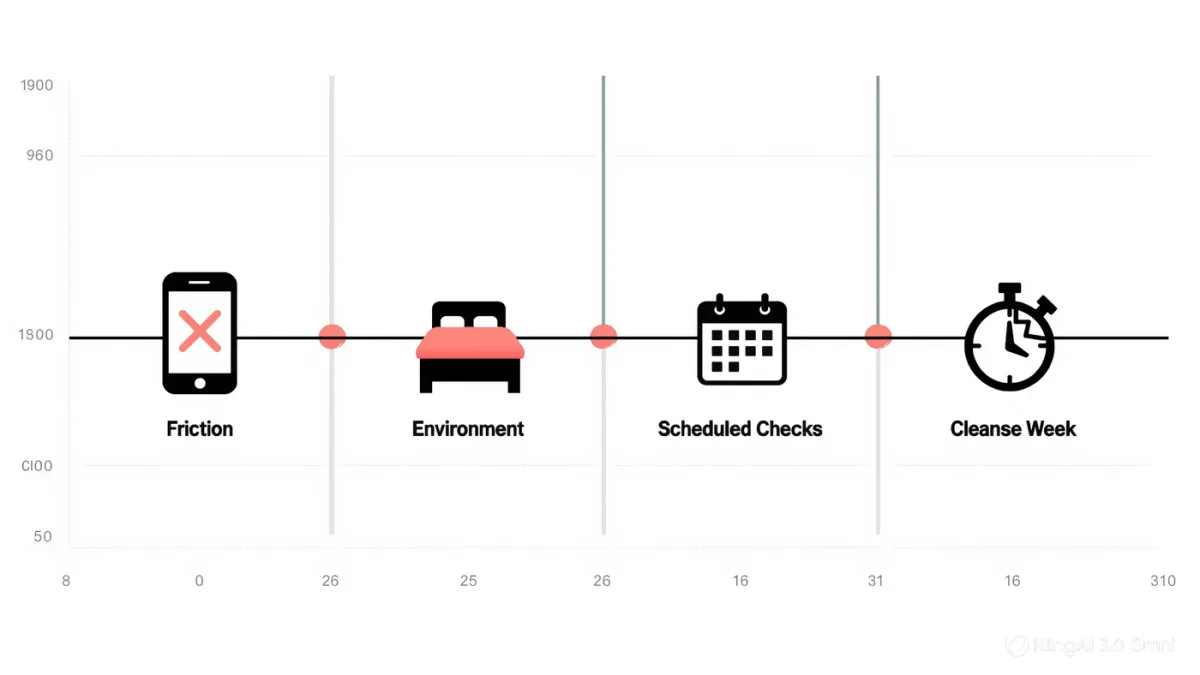
The research on screen-abstinence interventions is real, modest, and mostly about attention — and the practices that survive the evidence are boundary structures, not dramatic cleanses.
Screen time before bed has a documented, modest effect on sleep — and the conversational twist changes the mechanics: chats are interactive, time-warped, and endless, which the bedtime-sleep research…
The research on multitasking is unambiguous and the workaround is old — but AI assistants add a new twist: a second brain that invites you to run three thoughts at once by making each effortless.
The documented link between off-hours email expectations and burnout predates chatbots; what AI adds is the removal of every friction that used to give evenings a fighting chance.
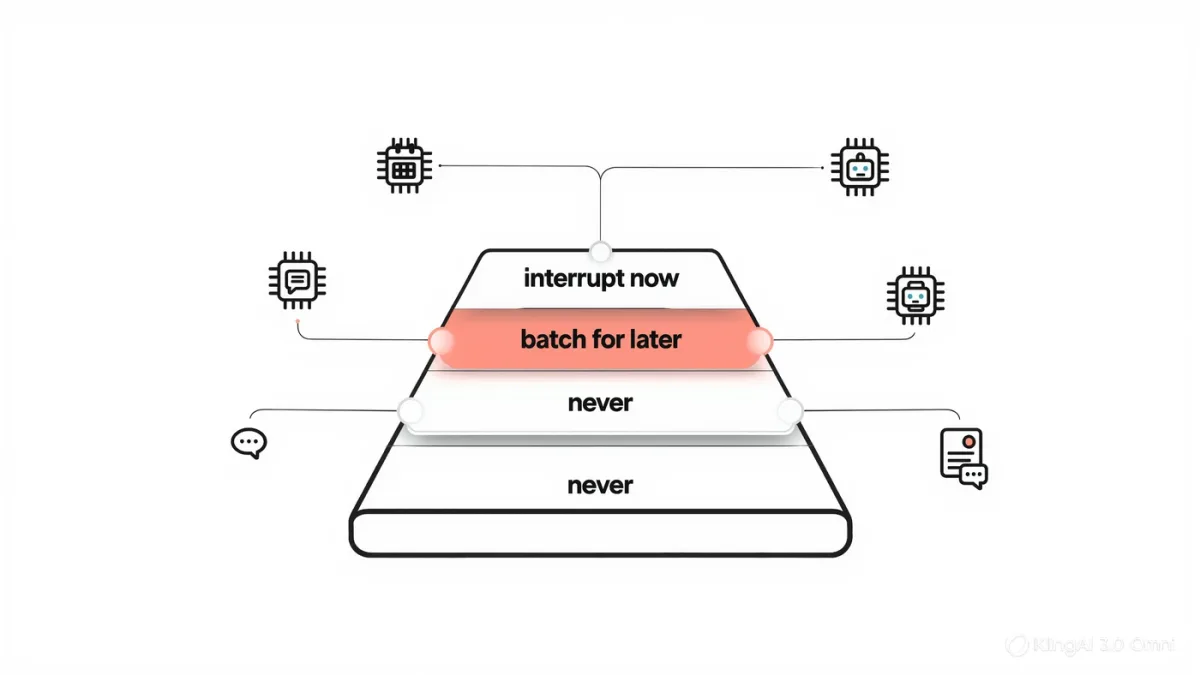
OS focus modes silence notifications but not the interruptions you invite — AI assistants completing tasks, agents asking approval — so the durable fix is auditing which channels deserve to reach you…
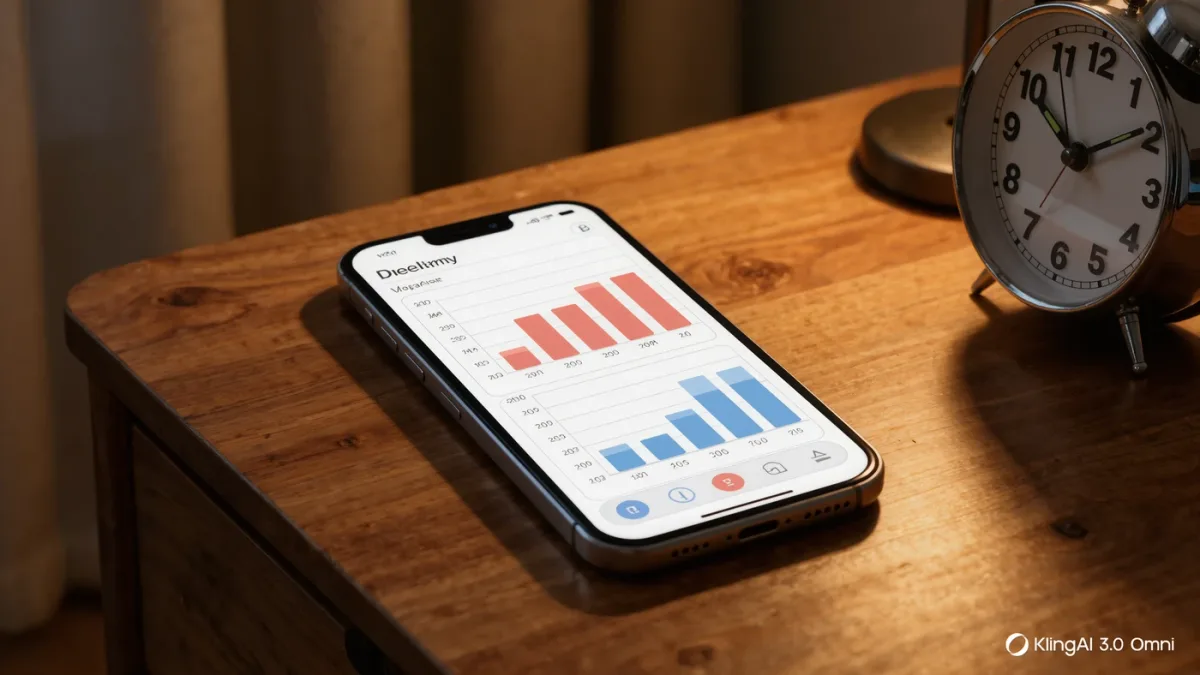
The weekly usage numbers your phone already collects are genuinely useful — if you read them as a weather report rather than a grade, and pair them with one structural change at a time.